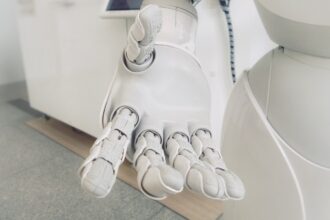
- Essential benefits from smart technology to daily life with ringospin are undeniable
- The Evolution of Personal Organization and Time Management
- The Role of Automation in Daily Scheduling
- Enhancing Creativity and Focus with Technological Assistance
- Minimizing Digital Distractions
- Personalization and the Future of Smart Technology
- The Power of Predictive Analytics
- Applications of Smart Technology in Everyday Life
- Looking Ahead: The Expanding Role of Personalized Assistance
Essential benefits from smart technology to daily life with ringospin are undeniable
In today's fast-paced world, technology is seamlessly integrating into every facet of our lives, offering solutions to everyday challenges and enhancing our overall well-being. Innovative products are constantly emerging, designed to streamline tasks, improve efficiency, and provide entertainment. Among these advancements, the concept of intelligent automation and personalized experiences is gaining significant traction. A prime example of this trend is the development of devices like ringospin, a technology poised to revolutionize how we interact with certain aspects of our daily routines.
The demand for convenient and efficient solutions is driving innovation across numerous industries. From smart homes that automate lighting and temperature control to wearable fitness trackers that monitor our health metrics, the benefits of technology are becoming increasingly apparent. This pursuit of simplification and enhanced functionality is not merely about convenience; it's about reclaiming time and creating opportunities for individuals to focus on what truly matters. The core principle behind these developments lies in the ability to offload mundane tasks, allowing for more meaningful engagement with life's experiences. These advances are reshaping our expectations and defining a future where technology anticipates and adapts to our needs, rather than the other way around.
The Evolution of Personal Organization and Time Management
For generations, humanity has sought methods to better organize their lives and manage their time effectively. From rudimentary calendars and journals to sophisticated digital planners, the quest for improved productivity has been a constant. Traditionally, this involved consciously scheduling tasks, setting reminders, and maintaining meticulous records. However, these methods often require significant effort and discipline, leading to inconsistencies and potential oversights. The inherent limitations of manual systems are increasingly apparent in the face of demanding modern lifestyles. Now, innovative technologies are emerging that aim to automate and optimize these processes, offering a more seamless and intuitive approach to personal organization. This shift represents a move away from reactive task management towards a proactive, intelligent system that anticipates needs and streamlines workflows.
The Role of Automation in Daily Scheduling
Automation is a key component of modern time management solutions. By delegating repetitive tasks to technology, individuals can free up valuable mental bandwidth and focus on more strategic activities. For example, automated email filters, calendar scheduling tools, and task management apps can significantly reduce the cognitive load associated with daily administrative duties. These systems can learn user preferences and anticipate future needs, proactively suggesting optimal schedules and prioritizing tasks based on urgency and importance. This proactive approach not only saves time but also minimizes the risk of overlooking crucial commitments or deadlines. The underlying principle is to create a symbiotic relationship between human intention and technological execution, ultimately enhancing efficiency and improving overall productivity.
| Traditional Methods | Automated Systems (like those integrated with ringospin) |
|---|---|
| Manual calendar/planner | Intelligent scheduling with proactive reminders |
| Physical to-do lists | Digital task management with prioritization features |
| Repetitive task management | Automated workflows and delegated tasks |
| Reactive problem-solving | Proactive identification of potential conflicts |
The integration of artificial intelligence and machine learning further enhances automation capabilities, allowing systems to adapt and improve over time. As users interact with these technologies, they provide valuable data that can be used to refine algorithms and personalize experiences. This constant learning process ensures that the system becomes increasingly attuned to individual needs and preferences, making it an indispensable tool for effective time management.
Enhancing Creativity and Focus with Technological Assistance
In today's distraction-filled world, maintaining focus and nurturing creativity can be significant challenges. Constant notifications, endless streams of information, and a pervasive sense of urgency can easily derail even the most disciplined individuals. However, technology can also be harnessed to mitigate these distractions and create an environment conducive to deep work and innovative thinking. Strategies such as website blocking, noise cancellation, and mindfulness apps are gaining popularity as tools for enhancing concentration and promoting mental clarity. These tools actively work to minimize external interruptions and foster a state of flow, allowing individuals to fully immerse themselves in their tasks. The goal is to create a sanctuary of focus amidst the chaos of modern life.
Minimizing Digital Distractions
Digital distractions are perhaps the most pervasive challenge to concentration in the 21st century. Social media, email, and constant notifications compete for our attention, fragmenting our focus and hindering our ability to engage in deep, meaningful work. Utilizing tools to block distracting websites, schedule dedicated focus time, and filter notifications can be remarkably effective in reclaiming control over our attention. Furthermore, adopting mindful technology habits, such as turning off notifications during specific work periods and consciously disconnecting from digital devices, can contribute to a more balanced and productive lifestyle. These deliberate actions reinforce a sense of agency over our digital environment, reducing the sense of being overwhelmed by constant stimuli.
- Dedicated Focus Blocks: Schedule specific periods for concentrated work, free from interruptions.
- Website Blockers: Utilize browser extensions or apps to limit access to distracting websites.
- Notification Management: Filter and prioritize notifications to minimize disruptions.
- Mindfulness Practices: Incorporate meditation or mindfulness exercises to enhance focus and reduce stress.
The underlying principle is to create a deliberate and intentional relationship with technology, using it as a tool to enhance our capabilities rather than allowing it to control our attention. By actively managing our digital environment, we can reclaim our focus and unlock our creative potential.
Personalization and the Future of Smart Technology
The future of technology lies in its ability to adapt to individual needs and preferences. Generic, one-size-fits-all solutions are becoming increasingly obsolete as consumers demand products and services that are tailored to their unique circumstances. This trend towards personalization is driven by advances in artificial intelligence, machine learning, and data analytics. These technologies enable systems to learn from user behavior, identify patterns, and predict future needs, ultimately delivering a more customized and relevant experience. Personalized technology not only enhances convenience and efficiency but also fosters a stronger sense of connection and engagement. As technology becomes more attuned to our individual requirements, it seamlessly integrates into our lives, becoming an indispensable partner in achieving our goals.
The Power of Predictive Analytics
Predictive analytics plays a crucial role in personalization by anticipating user needs before they are explicitly expressed. By analyzing historical data, identifying trends, and applying machine learning algorithms, systems can accurately predict future behavior and proactively offer relevant suggestions or solutions. For instance, a smart home system might learn your preferred temperature settings and automatically adjust the thermostat accordingly. Similarly, a music streaming service might curate playlists based on your listening history and mood. The key to effective predictive analytics lies in the quality and accuracy of the data used to train the algorithms. The more comprehensive and reliable the data, the more accurate and insightful the predictions will be.
- Data Collection: Gather relevant data about user behavior and preferences.
- Data Analysis: Identify patterns and trends in the collected data.
- Algorithm Development: Create machine learning algorithms to predict future behavior.
- Personalized Recommendations: Deliver customized suggestions and solutions based on predictive insights.
This proactive approach to technology not only enhances user experience but also fosters a sense of anticipation and delight. Instead of reacting to user requests, the system anticipates needs and delivers solutions seamlessly, creating a more intuitive and engaging interaction.
Applications of Smart Technology in Everyday Life
The applications of smart technology are virtually limitless, spanning a wide range of industries and aspects of daily life. From healthcare and education to transportation and entertainment, these advancements are transforming the way we live, work, and interact with the world around us. Smart home devices are automating tasks, improving energy efficiency, and enhancing security. Wearable technology is providing valuable health insights and promoting fitness. Smart cities are leveraging data analytics to optimize traffic flow, reduce pollution, and improve public services. The potential benefits are immense, and the pace of innovation continues to accelerate.
Looking ahead, we can expect to see even more sophisticated and integrated smart technologies emerge, blurring the lines between the physical and digital realms. The convergence of artificial intelligence, the Internet of Things, and 5G connectivity will unlock new possibilities for automation, personalization, and efficiency. This technological revolution promises to reshape our lives in profound ways, creating a future that is more connected, intelligent, and sustainable. This future is being actively shaped by innovators pushing the boundaries of what's possible, with devices like ringospin leading the charge in offering seamless integration and enhanced user experience.
Looking Ahead: The Expanding Role of Personalized Assistance
The trend towards personalized assistance won't simply stop at automating tasks; it will evolve towards anticipating needs before they even arise. Imagine a system that, based on your schedule, commute patterns, and even current weather conditions, proactively adjusts your home environment, prepares your coffee, and queues up your favorite podcast before you even wake up. This level of seamless integration requires a deep understanding of individual routines and preferences – a capability that is becoming increasingly attainable through advancements in artificial intelligence and data analysis. The ethical considerations surrounding data privacy and security will, of course, be paramount as these systems become more sophisticated.
One practical example of this evolution could be seen in the realm of elder care. Smart home sensors, coupled with AI-powered analytics, could monitor an elderly individual’s activity levels, detect potential falls, and automatically alert caregivers or emergency services. This type of proactive monitoring empowers seniors to maintain their independence while providing peace of mind for their families. The future isn’t just about making life more convenient; it’s about using technology to enhance safety, improve well-being, and create a more inclusive society for all.