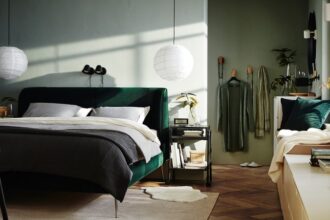
- Elegant design featuring https://thebonrushs-uk.uk and curated home accents
- The Significance of Thoughtful Home Accents
- Layering Textures and Materials
- Finding Inspiration for Your Home Decor
- The Role of Online Platforms
- Creating a Harmonious Color Palette
- The 60-30-10 Rule
- The Importance of Lighting in Interior Design
- Beyond Aesthetics: Creating a Home That Reflects You
Elegant design featuring https://thebonrushs-uk.uk and curated home accents
Creating a beautiful and functional home doesn't have to involve endless shopping trips and a complicated design process. More and more people are turning to curated collections and online resources to streamline their interior decorating. One such resource that has been gaining attention is https://thebonrushs-uk.uk, a platform offering a thoughtfully selected range of home accents and design pieces. They aim to provide inspiration and ease for those looking to elevate their living spaces without the overwhelming choice often found elsewhere.
The appeal of curated home decor lies in its ability to simplify the design process. Instead of facing an endless sea of options, customers are presented with a collection that has been carefully chosen for its style, quality, and aesthetic coherence. This approach is particularly beneficial for those who may lack the time or confidence to put together a cohesive look on their own. It allows individuals to achieve a polished and sophisticated ambiance with minimal effort, focusing on pieces that genuinely resonate with their personal taste.
The Significance of Thoughtful Home Accents
Home accents are the finishing touches that transform a house into a home. They are the details that reflect personality, create atmosphere, and enhance the overall visual appeal of a space. Too often, these elements are overlooked in favor of larger furniture pieces, but they play a crucial role in achieving a balanced and inviting interior. A well-chosen vase, a striking piece of artwork, or a cozy throw blanket can instantly elevate a room and make it feel more welcoming. Investing in quality accents demonstrates a commitment to creating a space that is both beautiful and comfortable. The impact of these seemingly small details shouldn’t be underestimated. They contribute significantly to the overall feeling and mood of a room, influencing how we experience and interact with our surroundings.
Layering Textures and Materials
A key element of successful interior design is layering textures and materials. This involves combining different fabrics, finishes, and forms to create depth and visual interest. For instance, pairing a smooth ceramic vase with a rough-hewn wooden side table can create a pleasing contrast. Similarly, layering a plush rug over a hardwood floor adds warmth and softness. Don't be afraid to mix and match different materials, but always strive for balance and harmony. Consider the overall color palette and ensure that the textures complement rather than clash with each other. This technique elevates a space beyond simply being functional and transforms it into something truly beautiful and creative.
| Accent Type | Material Examples |
|---|---|
| Textiles | Cotton, linen, velvet, silk, wool |
| Decorative Objects | Ceramics, glass, wood, metal |
| Wall Art | Canvas, prints, textiles, metal sculptures |
| Lighting | Brass, glass, ceramic, fabric shades |
The table above provides a glimpse into the variety of materials commonly used in home accents. Carefully considering these textures and materials can help create a cohesive and inviting home environment. Remember that the goal isn't simply to fill a space, but to curate a collection that reflects your personal style and enhances the way you live.
Finding Inspiration for Your Home Decor
Many people struggle with where to begin when it comes to decorating their homes. The sheer volume of design ideas available online and in magazines can be overwhelming. Fortunately, there are numerous resources to help spark inspiration and guide the process. Platforms like Pinterest and Instagram are excellent starting points for discovering different styles and trends. However, it's important to remember that trends are fleeting and that the most successful interiors are those that reflect the homeowner’s individual taste. The key is to identify what resonates with you and to create a space that feels authentic and personal. Don't be afraid to experiment with different color combinations, textures, and layouts, and most importantly, have fun with the process. Creating a beautiful home should be an enjoyable experience, not a stressful one.
The Role of Online Platforms
Online platforms like https://thebonrushs-uk.uk are becoming increasingly popular for sourcing home decor inspiration and products. They offer a curated selection of items that simplify the decision-making process. These platforms often present styled room settings and provide guidance on how to incorporate different pieces into your existing decor. They can also be a convenient way to discover new designers and artisans. When using online platforms, pay attention to the details, such as product dimensions and materials, to ensure that the items will fit your space and meet your needs. Reading customer reviews can also provide valuable insights.
- Explore online mood boards for initial inspiration.
- Consider your lifestyle and how you use each room.
- Focus on creating a cohesive color palette.
- Don't be afraid to mix high-end and budget-friendly pieces.
- Prioritize comfort and functionality.
Utilizing these tips can help you navigate the world of home decor and create a space you’ll love. Remember that the most important aspect of design is creating an atmosphere that reflects your personality and enhances your well-being.
Creating a Harmonious Color Palette
Color is one of the most powerful tools in interior design. It has the ability to evoke emotions, create atmosphere, and transform the way we perceive a space. Choosing the right color palette is essential for creating a harmonious and inviting interior. Understanding the basics of color theory can be incredibly helpful. Complementary colors, such as blue and orange, create a vibrant contrast, while analogous colors, such as blue, blue-green, and green, create a more harmonious and serene feel. Consider the natural light in your home when selecting colors. Darker colors can make a room feel smaller and more intimate, while lighter colors can create a sense of spaciousness and airiness. It's also important to consider the existing colors in your home, such as the flooring and furniture, and to choose colors that complement them.
The 60-30-10 Rule
A helpful guideline for creating a balanced color palette is the 60-30-10 rule. This rule suggests that 60% of the room should be dominated by a dominant color, 30% by a secondary color, and 10% by an accent color. The dominant color is typically a neutral shade, such as beige or gray, which provides a calming backdrop. The secondary color can be a more vibrant hue that adds interest and depth. The accent color is used to create pops of color and draw the eye to specific features. This rule provides a flexible framework that can be adapted to suit different tastes and preferences. It ensures that the color palette is balanced and visually appealing.
- Start with a dominant neutral color.
- Choose a secondary color that complements the neutral.
- Add an accent color for pops of interest.
- Consider the room’s purpose and mood.
- Test colors with paint swatches before committing.
Following this process ensures a well-balanced and thoughtfully designed color scheme for your home.
The Importance of Lighting in Interior Design
Often underestimated, lighting is paramount in establishing the mood and functionality of a space. It’s not merely about illumination; it’s about creating atmosphere, highlighting architectural features, and showcasing your decor. A multi-layered lighting scheme is generally the most effective, combining ambient, task, and accent lighting. Ambient lighting provides overall illumination, resembling natural daylight. Task lighting focuses light on specific areas for activities like reading or cooking. Accent lighting draws attention to artwork, architectural details, or focal points in a room. Careful consideration of light temperature (warm vs. cool) is also crucial. Warm lighting creates a cozy and inviting ambiance, while cool lighting is more energizing and suitable for workspaces. Layering light sources effectively can transform a room from feeling flat and uninviting to vibrant and welcoming.
The right lighting can also dramatically alter the perception of space. Strategically placed lights can make a room appear larger, more open, and more inviting. Conversely, poorly chosen or positioned lighting can make a space feel cramped and closed in. When selecting light fixtures, consider the style of your decor and choose fixtures that complement the overall aesthetic. Don’t be afraid to experiment with different types of lighting to achieve the desired effect. The goal is to create a lighting scheme that is both functional and aesthetically pleasing.
Beyond Aesthetics: Creating a Home That Reflects You
While achieving a visually appealing home is important, it’s equally crucial to create a space that genuinely reflects your personality, values, and lifestyle. Your home should be a sanctuary, a place where you feel comfortable, relaxed, and inspired. Don't feel pressured to follow trends blindly or to conform to a particular style. Instead, focus on curating a collection of items that you love and that tell your story. Incorporate personal touches, such as photographs, artwork that resonates with you, and treasured possessions that hold sentimental value. The goal is to create a space that feels uniquely yours. This doesn’t necessarily require a large budget. Repurposing existing furniture, adding a fresh coat of paint, and incorporating handmade items can all add personality and charm. Remember that your home is an extension of yourself, and it should be a reflection of who you are.
Considering the practical aspects of your lifestyle is also essential. If you frequently entertain guests, ensure that your living spaces are conducive to socializing. If you work from home, create a dedicated workspace that is both functional and inspiring. If you have children or pets, choose durable fabrics and materials that can withstand wear and tear. Ultimately, a well-designed home is one that supports your everyday life and enhances your overall well-being. Resources like https://thebonrushs-uk.uk can offer starting points, but the final result should be a genuine reflection of your individual taste and needs.